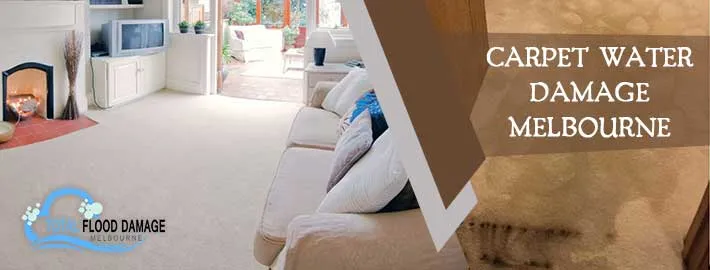
Flooding from rising waters may be relatively rare, but water damage itself is one of the most common issues homeowners face. It can be caused by leaks, burst pipes, faulty appliances, and more. The recovery process is often slow and stressful. Even small, unnoticed leaks can lead to significant problems over time, so getting professional water damage restoration help is essential when things go wrong.
To catch water damage early, keep an eye out for signs of mould, unusual odours, dampness, and discolouration. Water stains on walls or ceilings are among the most obvious indicators. While you cannot always fix the damage yourself, identifying the source early can help you avoid more extensive and expensive repairs.
What may seem like a small leak can quickly escalate into a major problem if left unchecked. Regular inspection and maintenance are key - simply fixing a visible issue is not enough if the underlying cause remains unaddressed.
Common Causes of Water Damage
- Flooding or severe weather events
- Burst or leaking pipes
- Malfunctioning appliances such as dishwashers or washing machines
- Roof damage, including cracked flashing
- Groundwater seepage through foundation walls
How to Spot Water Damage Early
- Peeling or bubbling paint
- Warped or distorted flooring
- Discolouration on ceilings and walls
- A strong, musty smell
- Mould growth on ceilings or walls
- Water pooling inside the house
Ways to Protect Your Home from Water Damage
- Keep Your Gutters Clean
Blocked gutters can cause water to overflow and seep into your roof or walls. Regularly clear leaves and debris from your gutters to ensure water flows freely away from your home. This simple maintenance task can prevent significant water damage.
- Inspect Your Roof Regularly
Your roof is exposed to the elements year-round. Check it periodically for missing tiles, cracked flashing, or any other signs of wear that could allow water to enter your home.
- Seal and Caulk Properly
Sealing gaps around windows, doors, and wet areas helps prevent water from entering where it should not. Check these areas regularly:
- Sinks
- Bathtubs
- Drains and plumbing fixtures
- Ceiling fixtures
- Check Your Pipes
Inspect the plumbing throughout your home, including connections to kitchen appliances and bathroom fixtures. Look for any signs of corrosion, dripping, or moisture around pipe joints.
- Do Not Forget Your Basement
Basements are particularly vulnerable to water damage. Take these precautions:
- Check that your sump pump is working properly
- Ensure walls and floors are properly sealed
- Consider installing a backwater valve
A Final Tip
If you have home insurance, it may cover some forms of water damage. It is a good idea to document the condition of your property with photos in advance. For professional assistance with water damage in Melbourne, contact Total Flood Damage Melbourne for expert advice and restoration services.