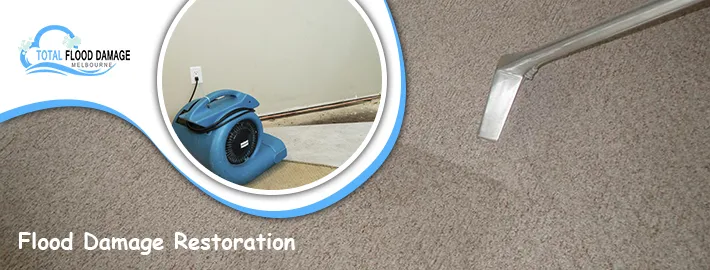
Most homeowners are understandably worried about the state of their home after a flood. The thought of redecorating and restoring the damage can feel overwhelming. But flood restoration is about much more than just cleaning up water or replacing carpet. A professional flood damage restoration company in Melbourne understands how to prioritise every aspect of the clean-up and recovery process.
Common Causes of Household Flooding
- Sewerage backups
- Heavy rain
- Appliance malfunctions
- Burst pipes
Regardless of the cause, it is important to know what steps you can take after your home has been flooded. Taking action before professional help arrives can reduce the extent of the damage and make the cleaning and repair process smoother.
Water damage creates ideal conditions for mould growth and poor indoor air quality, which can cause symptoms similar to hay fever - including a runny nose, sneezing, skin rashes and irritated eyes. If post-flood restoration is not carried out correctly, contamination from bacteria or mould can affect your family’s health and compromise the structure of your home.
If a flood is caused by groundwater, storm water or a malfunctioning water system, there are recommended flood restoration practices you should follow within the first 24 hours to protect your home and family, and to achieve the best possible outcome with your insurance company.
Acting quickly is critical. Here are the key steps to follow after a flood.
Steps for Home Restoration After Flooding
-
Contact your insurance company
Call your insurer as soon as possible. You need to understand exactly what your policy covers before beginning any major restoration work.
-
Hire a professional flood damage restoration company
Contact a professional restoration service immediately. All debris and saturated materials need to be removed. If there is sewage contamination, additional precautions and specialist help are required.
-
Find an experienced contractor
Ask the right questions - do not assume all contractors know how to handle flood damage. Carry out your usual background checks and request references. Look for someone with extensive experience in restoring water-damaged properties. Contact previous clients and ask about the quality of their work.
-
Replace damaged flooring
This includes laminate, hardwood, carpet and tiles. All damaged flooring must be removed, along with the subfloor if it has been affected. Hardwood and laminate floors absorb water, causing swelling and warping. All water-damaged carpet should be removed along with the underlay, particularly if it contains natural fibres.
Final Thoughts
Flood restoration requires a methodical approach and professional expertise. Every professional flood damage restoration company will work to eliminate the damage using proven methods and specialist equipment. If your home has been affected by flooding, do not delay - contact our team for prompt, reliable assistance.