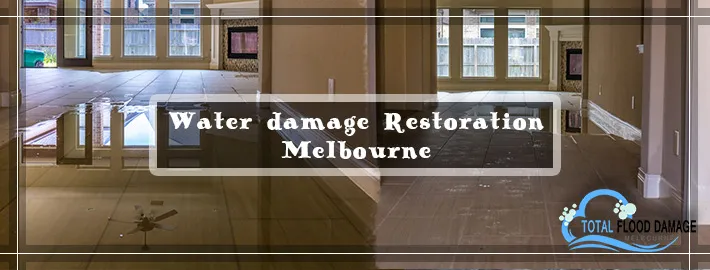
Have you ever faced a water damage situation at home? If so, you know just how stressful and overwhelming it can be. Water damage restoration is a significant undertaking that requires knowledge and experience - two things you will find in a professional company like Total Flood Damage Melbourne.
The first instinct for most people is to start wondering about the source of the damage, rather than taking immediate action. However, time is critical when it comes to water damage. Here are the important steps to take when you are dealing with water damage and want to begin the restoration process.
The first thing to understand is the type of water damage you are dealing with. Different situations call for different responses. Let us walk through each type and the appropriate action.
1. Visible Damage from a Known Source
Close all taps, hoses, and showers: When you notice water on the floor, start by shutting off all water fixtures. This allows you to determine whether the damage is coming from your water supply. If the flow does not stop, investigate further.
Check your water meter: Examining the water meter after closing all fixtures helps determine whether the leak is connected to your main supply or has another cause.
Turn off all toilets: Toilets are one of the most common sources of water damage. Shut off the water supply to each toilet and check whether the flow slows down. If your water meter’s flow indicator is still moving, the source lies elsewhere.
Shut down appliances one by one: If you have not found the source after checking toilets, work through other water-using appliances systematically. Apply the same process - shut off, then observe. If you still cannot locate the leak, it is time to call a professional water damage restoration service.
2. Minor Damage with Long-Term Consequences
Even minor water damage can have serious consequences if left unaddressed:
- Check your water meter: Use it to help locate the source of the leak.
- Inspect all seals: Check the seals and caulking in bathrooms and showers for signs of deterioration.
- Clean up promptly: If you can reach the source, clean up all standing water and moisture immediately to prevent odours and mould growth.
- Fix the source: If you can identify the leak, repair it as soon as possible. If not, engage a professional to prevent further damage.
3. Severe Damage Affecting the Whole Home
For severe flooding, follow the steps above but be prepared to act quickly. If the water level is rising rather than subsiding, call a plumber or emergency restoration service immediately.
In the case of major flooding, prioritise gathering important documents and securing valuable items. If you have home insurance, this type of damage may be covered under your policy - so document everything with photographs.
What to Do Next
Understanding the source and type of water damage is the first step toward effective restoration. If you need professional help, contact Total Flood Damage Melbourne for expert guidance and prompt service.