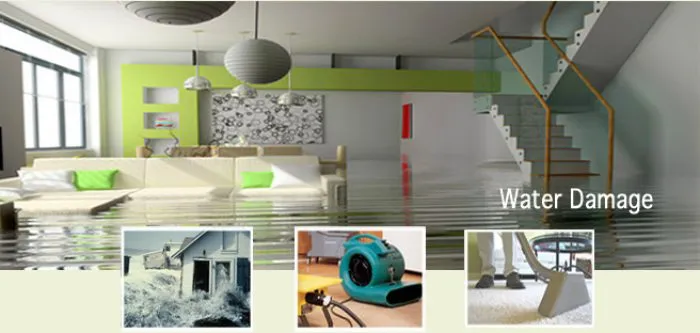
Mould is the most common secondary consequence of water damage, and in Melbourne’s humid climate, it can begin colonising damp building materials within 24 to 48 hours of a flood or leak. Once mould establishes, it spreads rapidly, damages building materials, creates health risks, and significantly increases the cost and complexity of restoration. Prevention is always easier, faster, and cheaper than remediation.
This guide explains how mould develops after water damage, what you can do immediately to prevent it, and why professional drying is critical for long-term protection.
Why Mould Grows After Water Damage
Mould spores are naturally present in the air everywhere - inside and outside your home. Under normal conditions, they are harmless. But when water damage creates sustained moisture in building materials, spores land on damp surfaces and begin to colonise. Mould needs three things to grow:
- Moisture - the most critical factor. Without sustained dampness, mould cannot establish.
- Organic material - carpet, timber, plasterboard, paper-backed insulation, and MDF all provide food sources for mould.
- Warmth - Melbourne’s average indoor temperatures (18-26 degrees Celsius) are well within the range that supports mould growth year-round.
After a flood or leak, moisture is the one factor you can control. Remove the moisture quickly enough, and mould cannot establish - regardless of how many spores are present.
The 24-48 Hour Window
The critical timeframe for mould prevention is the first 24 to 48 hours after water damage occurs. During this window:
- 0-24 hours: Water is absorbed into carpet underlay, timber, plasterboard, and subfloor materials. Surface water may be visible, but significant moisture is already hidden inside building materials. Mould spores begin landing on damp surfaces.
- 24-48 hours: If moisture levels remain elevated, mould spores germinate and begin producing hyphae (root-like structures) that penetrate into the material. At this point, surface cleaning alone will not remove the mould.
- 48-72 hours: Visible mould colonies begin to appear - often first on the underside of carpet, behind skirting boards, and inside wall cavities where conditions are dark and damp. Once visible mould is present, professional mould remediation is required.
This is why speed of response after water damage is so important. Professional extraction and drying within the first 24 hours prevents mould from ever establishing.
Immediate Steps to Prevent Mould
If your property has been affected by water damage, take these steps immediately:
Remove standing water. Mop up puddles, use towels on wet surfaces, and open windows and doors to increase airflow. For anything beyond a small spill, call a professional - household methods cannot extract water from underlay, subfloors, and wall cavities.
Increase ventilation. Open windows and doors on opposite sides of the property to create cross-ventilation. If it is raining outside, use fans to circulate air instead.
Remove wet soft furnishings. Take wet cushions, rugs, and removable fabric items outside to dry in the sun if weather permits. Sunlight is a natural mould inhibitor.
Open cupboards and wardrobes. Enclosed spaces with damp air are prime locations for mould growth. Open all doors to promote airflow.
Do not use heaters. This is a common mistake. Heaters raise the temperature in a damp environment, creating ideal conditions for mould. Professional dehumidifiers remove moisture from the air; heaters just make the air warmer and more humid.
Lift carpet edges. If carpet is wet, lifting the edges away from skirting boards allows airflow underneath. However, do not pull up large sections - this should be done by a professional to avoid damaging the carpet or releasing trapped water into the subfloor.
Why Professional Drying Prevents Mould
The reason household drying methods fail to prevent mould is simple: they cannot remove hidden moisture. After a flood, the water you can see on the surface is only a fraction of the total moisture in your property. The majority is absorbed into:
- Carpet underlay - acts like a sponge, holding many times its weight in water
- Timber subfloors and framing - absorbs moisture through end grain and can hold elevated moisture for weeks
- Plasterboard - wicks water upward through capillary action, often to a height well above the visible water line
- Concrete subfloors - holds moisture in its porous structure for days, even after the surface appears dry
- Wall cavity insulation - traps moisture in a dark, enclosed space with no natural ventilation
Professional restoration addresses all of these hidden moisture reservoirs. At Total Flood Damage Melbourne, our technicians use:
- Moisture meters to measure the moisture content of every material, identifying wet areas that are not visible
- Thermal imaging cameras to detect hidden moisture behind walls and under floors
- Industrial dehumidifiers that extract litres of water per hour from the air and surrounding materials
- High-velocity air movers that direct airflow across surfaces to accelerate evaporation
- Antimicrobial treatments applied to all affected surfaces to kill any mould spores that have landed during the wet period
We monitor moisture levels daily and only remove equipment once every reading confirms the property has reached its dry standard. This thorough approach is what prevents mould from developing weeks after the water event.
Signs of Mould After Water Damage
Even with professional drying, it is worth knowing the early warning signs of mould:
- Musty odour - a persistent damp, earthy smell is often the first indicator, even before visible mould appears
- Discolouration - dark spots or patches on walls, ceilings, skirting boards, or carpet
- Peeling paint or bubbling wallpaper - moisture trapped behind the surface causing the finish to separate
- Allergic symptoms - increased sneezing, coughing, or eye irritation among household members, particularly in rooms that were affected by water damage
- Warped timber - floorboards, door frames, or skirting boards that have swollen or changed shape
If you notice any of these signs after a water event, contact us for a professional inspection. Early detection and treatment prevents small mould issues from becoming major remediation projects.
Melbourne’s Climate and Mould Risk
Melbourne’s climate creates higher mould risk than many other Australian cities. The combination of moderate temperatures, high humidity (particularly during autumn and spring), and frequent rain events means that damp building materials have limited opportunity to dry naturally. Properties in low-lying areas, near waterways, or with poor subfloor ventilation are particularly susceptible.
This climate factor is another reason why professional drying after water damage is essential in Melbourne. In drier climates, a property might partially dry on its own. In Melbourne, elevated moisture in building materials can persist for weeks without professional intervention - more than enough time for extensive mould colonisation.
Act Within 24 Hours
The message is clear: speed is your greatest weapon against mould after water damage. If your Melbourne property has been affected by flooding, a burst pipe, or any form of water intrusion, call Total Flood Damage Melbourne on 0448 888 165 for immediate 24/7 response. Our team will extract the water, dry your property thoroughly, and apply antimicrobial treatments to ensure mould never gets the chance to establish. You can also request a free assessment online.