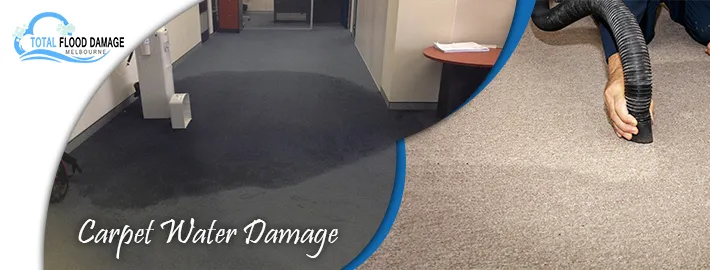
The most common causes of water damage include floods, storms, burst or deteriorating pipes, and appliance malfunctions. Any of these can cause serious harm to your home and its contents. From walls, floors and furniture to kitchen cabinets and appliances, excess water in the roof space, attic or basement poses risks to both your health and your property. In such cases, you may need professional carpet water damage services in Melbourne to restore your carpets.
Homeowners who experience even a small amount of water seeping into their home - whether from flooding or a broken pipe - must be vigilant about mould. It does not take much moisture for mould to grow and cause significant damage.
Prevent Mould Growth by Drying Water Damage Quickly
The sooner you begin cleaning up after water damage, the sooner you can stop mould from growing beneath your carpet.
Fans, cleaning agents and specialised equipment are the tools you can use to address mould on wet carpets.
Exposure to mould can cause health problems in some people by irritating the nose, eyes, throat and lungs. Breathing in airborne mould spores can trigger symptoms in people with hay fever, asthma and allergies.
Steps to Remove and Prevent Carpet Mould
- Remove the water as quickly as possible
Use a wet/dry vacuum cleaner to extract as much water as you can. These machines are the most effective water removal tools and can be hired or provided by water damage remediation companies that specialise in residential flood restoration.
- Use fans to speed up the drying process
Fans may take several days to completely dry a water-damaged area, but they also help circulate fresh air. High-powered drying fans can be hired from local hardware stores or equipment rental services.
- Steam clean carpets and floors
Steam clean all affected carpets to properly disinfect and deodorise them. In some cases, carpets that have been heavily damaged by water may need to be replaced. Replacing just the underlay is far less expensive than re-carpeting your entire home.
- Use a dehumidifier to dry the room
Dehumidifiers remove excess moisture from the air, making conditions less favourable for mould and mildew growth. Any equipment that helps dry the air and surrounding surfaces will speed up the drying process for damaged floors and coverings.
- Disinfect walls and baseboards
Anything that has come into contact with flood water must be disinfected. Clean hard surface floors, walls and other household surfaces with soap and water.
- Check your furniture
Inspect furniture for water damage and move it off wet floors. Water damage can easily hide under carpets, so be sure to thoroughly check your home if you suspect any moisture issues.
Conclusion
Cleaning water-damaged carpets and floors is challenging under any conditions, but after a storm or flood, contamination from mud, silt, sewage and mould can make the problem far worse. The Institute of Inspection, Cleaning and Restoration Certification (IICRC) recommends that a certified mould restoration provider assess the damage and carry out professional remediation in serious cases.
If your carpets have suffered water damage, contact our team for fast, professional assistance.