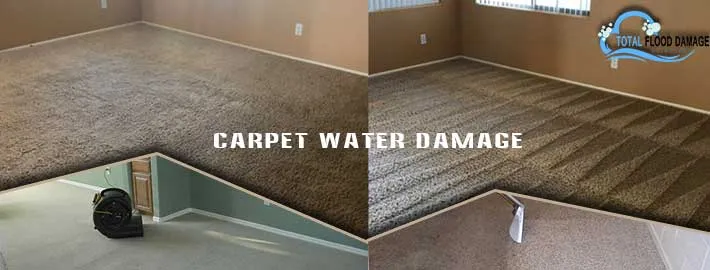
Any flood or water leak can leave your carpet in a mess for days. Drying a wet carpet quickly is critical because mould can begin to grow within 24 to 48 hours in Melbourne’s warm, humid conditions. Whatever the cause, a professional emergency carpet drying service can help you manage the situation effectively and prevent lasting damage to your home.
The extent of the damage determines whether you can handle the drying yourself or need professional assistance. Left untreated, water damage can spread from your carpet into the underlay, subfloor, and even up into your walls. To prevent mould and protect your property, you must begin cleaning and drying the carpet as soon as possible after the water event.
Assess the Situation First
Before you start drying, take a moment to assess the damage and determine the category of water involved:
- Category 1 (clean water): Water from a burst supply pipe, overflowing tap, or rainwater. This is the safest category and most carpets can be saved if drying begins within 48 hours.
- Category 2 (grey water): Water from a dishwasher, washing machine, or bathroom overflow. This water contains contaminants and requires antimicrobial treatment during restoration.
- Category 3 (black water): Water from sewage backups or stormwater flooding. This is hazardous and typically requires professional handling. Do not attempt to dry Category 3 water damage yourself.
If the floodwater was clean and the area is small (a single room or less), you may be able to handle the drying yourself. For larger areas, multiple rooms, or contaminated water, call a professional water damage restoration company in Melbourne immediately.
Safety Precautions
Before stepping onto wet carpet or beginning any cleanup:
- Turn off electricity to all affected areas at the switchboard. Water and electricity are a dangerous combination.
- Wear protective footwear — do not walk on wet carpet in bare feet or socks.
- Open windows and doors to begin ventilation immediately.
- Photograph the damage for your insurance records before you begin cleanup.
How to Tell if Your Carpet Is Wet
Sometimes a wet carpet does not look visibly damp on the surface. Moisture can be trapped beneath the fibres and underlay without obvious signs.
A musty or unpleasant smell is often the first indicator that your carpet is retaining moisture. If left untreated, this odour will spread throughout your home. Other signs include:
- Carpet feels cool or damp when you press your hand firmly against it
- Discolouration or darker patches on the carpet surface
- Skirting boards or nearby walls showing moisture stains
- A feeling of sponginess when walking on the carpet
If you notice a persistent musty smell that regular vacuuming cannot eliminate, you are likely dealing with a wet carpet problem that requires immediate attention.
How to Dry a Wet Carpet: Step-by-Step Guide
Step 1: Remove Standing Water
Use a pump, bucket, or wet-and-dry vacuum to remove any pooling water from the surface. The faster you remove standing water, the less it will soak into the underlay and subfloor beneath. If you do not have a wet-and-dry vacuum, use towels to blot up as much water as possible — do not rub, as this pushes water deeper into the fibres.
Step 2: Extract Excess Moisture
Use a wet-and-dry vacuum to draw out as much water as possible from the carpet. Make multiple slow passes over the same area — a single pass will not be enough. Professional emergency wet carpet drying services use truck-mounted extraction units that are far more powerful than household equipment and can extract water from deep within the carpet and underlay.
Step 3: Lift the Carpet from the Floor
Carefully separate the carpet from the subfloor to improve airflow underneath. Pull the carpet away from the tack strips around the edges of the room. This exposes both the underside of the carpet and the subfloor to air circulation, which is essential for complete drying.
Step 4: Remove and Replace the Underlay
Wet underlay acts like a sponge and can hold up to ten times its weight in water. In most cases, wet underlay cannot be salvaged and needs to be discarded and replaced. Attempting to dry saturated underlay is rarely effective and leaves hidden moisture that breeds mould beneath your carpet.
Step 5: Dry the Carpet and Subfloor
Position fans, air movers, and dehumidifiers to dry both the carpet and the exposed subfloor. Industrial dehumidifiers are far more effective than household models — they extract litres of moisture from the air per day compared to the small amounts a domestic unit can handle. If you only have household fans, point them directly at the wet area and keep all windows and doors open for cross-ventilation.
Step 6: Disinfect the Subfloor
Apply a disinfectant or antimicrobial solution to the subfloor to prevent mould and bacteria growth. This is especially important for timber subfloors, which absorb moisture and can begin to warp or develop mould colonies if not treated.
Step 7: Monitor Moisture Levels
If you have access to a moisture meter, check the carpet, underlay area, and subfloor daily until readings return to normal levels. Without a meter, wait at least 48 to 72 hours of continuous drying before considering reinstallation. The carpet should feel completely dry to the touch with no residual smell.
Step 8: Install New Underlay and Reinstall the Carpet
Once the subfloor is confirmed dry, lay fresh underlay and stretch the carpet back into place over the tack strips. Secure it firmly to prevent bunching or wrinkling.
Step 9: Shampoo and Sanitise the Carpet
Give the carpet a thorough clean using hot water extraction or a carpet shampooer to remove any remaining contaminants, bacteria, and odours from the water damage. This final step ensures your carpet is not only dry but hygienically clean.
How Long Does It Take to Dry a Wet Carpet?
Drying time depends on several factors:
- Severity of the water damage: A small leak may dry in 24 to 48 hours. A major flood affecting multiple rooms can take 3 to 5 days or more.
- Type of carpet and underlay: Thicker carpets and denser underlay hold more water and take longer to dry.
- Ambient conditions: Melbourne’s humidity levels, particularly in summer, can slow drying. Using dehumidifiers counteracts this.
- Equipment used: Professional industrial air movers and dehumidifiers dry carpets 3 to 5 times faster than household fans.
For more detail on drying timelines, read our guide on how long it takes to dry carpet after water damage.
When to Call a Professional
If you detect a wet carpet early and the affected area is small with clean water, you can follow the steps above yourself. However, call a professional emergency carpet drying company in Melbourne if:
- The water covers more than one room
- The water source is grey water or black water (contaminated)
- The carpet has been wet for more than 24 hours
- You can smell mould or see visible mould growth
- The subfloor is timber and feels soft or spongy
- You do not have access to industrial drying equipment
Professional restoration teams can dry and restore your carpet far more quickly and effectively than DIY methods, saving you the cost of full carpet replacement. Call us on 0448 888 165 for a 24/7 emergency response across Melbourne and all of Victoria.
Frequently Asked Questions
Can I save my carpet after a water leak? In most cases, yes — provided drying begins within 48 hours and the water is Category 1 (clean). The longer water sits, the harder it is to salvage the carpet. Our carpet flood and water damage restoration technicians can assess whether your carpet is restorable.
Will my carpet smell after water damage? If dried quickly and properly, your carpet should not retain any odour. Persistent musty smells indicate that moisture remains trapped in the underlay or subfloor — this requires professional extraction and antimicrobial treatment.
Does insurance cover wet carpet from a water leak? Most home and contents insurance policies cover sudden water damage from burst pipes and appliance failures. Document the damage with photographs before you begin cleanup. Read our insurance claim guide for more information on the claims process.