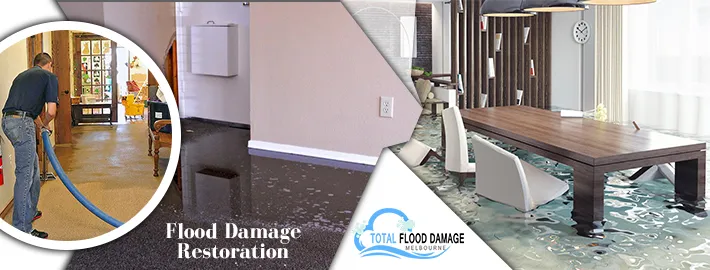
Before deciding what to do after flood damage, it is important to understand the flood restoration process and what it involves. Knowing the right steps to take - and the common mistakes to avoid - can make a significant difference in an emergency situation.
If you have never experienced a flood before, you should think about a few key questions:
- Do you have insurance?
- Do you have an evacuation plan?
- Do you have important phone numbers readily accessible?
- Do you have the contact details for a flood damage restoration service?
- Can you reach other family members or emergency contacts?
Effects of Water Damage
It is natural for a home to flood during heavy rainfall, but removing the water afterwards is far more difficult than most people expect.
Water is incredibly destructive. It causes immediate damage and can lead to long-term deterioration of your home’s structure. The effects can impact every part of your property and create unhealthy living conditions for your family.
Flood damage can affect walls, floors, attic spaces, and more. If you do not address the damage promptly, you may face serious ongoing problems including:
- Doors and Windows - Warping and swelling can prevent doors and windows from closing properly.
- Mould - Mould thrives in damp areas and can spread rapidly through the interior walls of your home, posing significant health risks.
- Cracking - Small cracks in walls, ceilings, and other surfaces can appear after flooding and worsen over time.
- Dry Rot - While construction timber is generally durable, prolonged exposure to floodwater can compromise the structural integrity of your home.
Mistakes to Avoid After a Flood
Mistake 1: Waiting too long to start cleaning
The first 48 hours after a flood are critical. Delaying the clean-up significantly increases the risk of mould growth and structural damage. Consider the severity of the situation:
- If the house is heavily submerged, comprehensive repair is needed.
- If essential systems may be damaged, take precautions and begin prevention measures.
- If walls and structural elements are affected, call a professional immediately.
Mistake 2: Using the wrong tools and methods
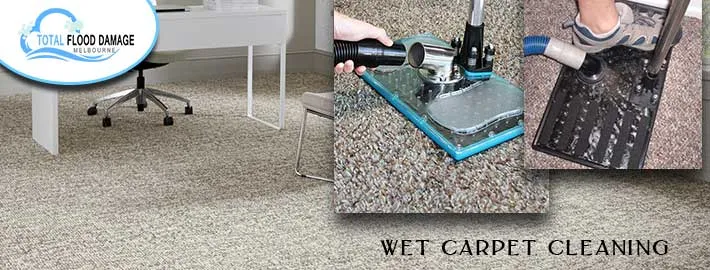
For minor flooding with minimal standing water, household items like brooms, mops, and towels may suffice. But for major flooding, these tools are inadequate. You need professional equipment and methods to address the problem effectively.
Mistake 3: Ignoring important information
During a flood event, it is easy to feel overwhelmed and unsure of what to do. However, do not ignore safety warnings, official advice, or any information that could help with damage control.
Mistake 4: Walking through hazardous areas
Never assume your flooded home is safe to walk through. Hidden dangers include electrical hazards, unstable surfaces, and contaminated water. Always exercise extreme caution.
Mistake 5: Delaying the call to professionals
Do not hesitate to contact a professional flood restoration company in Melbourne if you discover major damage. Trying to handle everything yourself may not address the underlying problems, and the damage can continue to worsen.
Final Thoughts
After taking steps to protect yourself and your family, the most important thing you can do is act quickly. If you cannot manage the situation on your own, contact a professional restoration service without delay.