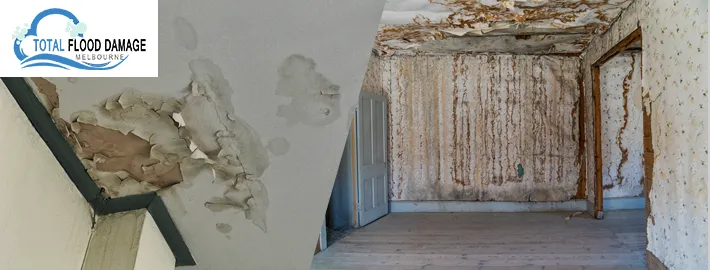
Housing flooding with water from an unknown source is one of the most unexpected scenarios that you would face. In a panic like that, you cannot figure out the source of the water right away. But identifying the source is essential for effective water damage restoration in Melbourne of the flooded area.
The first thing to begin with when you find your home in a situation like this is water extraction. Here is everything you need to know about water extraction.
What Is Water Extraction?
As the name suggests, it is the process of removing all standing water from the flood-affected areas of your home.
The best way to approach it is:
- Stop the source of the problem - leaking water.
- Remove water.
- Dry the affected area.
The reason for jumping right to water extraction as it would reduce or prevent critical structural damage. Further, it speeds up the drying process, which of course, would minimise the possibilities of mould growth in the affected area.
Why Is It Essential To Choose The Professional Water Extraction?
The process may seem easy, and you would want to do it yourself, but it is best to use the help of professional water extraction companies as they are well aware of the best practice water extraction techniques and have the expertise and substantial foreknowledge.
They know all the hidden water damage spots because of their experience, which you might not. They carry with them their industry-level tools and equipment, which would assist them with the job. You surely would not have it.
What Is The Ideal Water Extraction Process?
- Address safety hazards first: There are a variety of hazards to keep an eye on when you are dealing with flood damage. Loose furniture, slippery surfaces, and most importantly, electrical switches and sockets all pose risks. Always cut off the electricity to affected areas before entering, as water is a conductor of electricity.
- Stop the source of the leak: You do not want to remove water without stopping the leak first, as it will keep adding more water and make your efforts worthless.
- Remove visible water: Remove standing water from all affected areas to speed up the drying process and prevent further property damage. Professionals use industrial-grade wet vacuums and truck-mounted extraction units for this.
- Extract hidden water: Even after draining visible puddles, water remains hidden in carpet underlay, wall cavities, and beneath flooring. This hidden moisture must be located with moisture meters and dried thoroughly to eliminate the risk of mould growth.
- Dry the affected area: The final step is drying the area with professional drying systems including industrial dehumidifiers and high-velocity air movers. Increasing ventilation improves air circulation and speeds up the drying process.
You can complete the process with disinfecting and sanitising the space as required. This is an essential part of water damage restoration in Melbourne as it prevents ongoing property damage and protects your health.