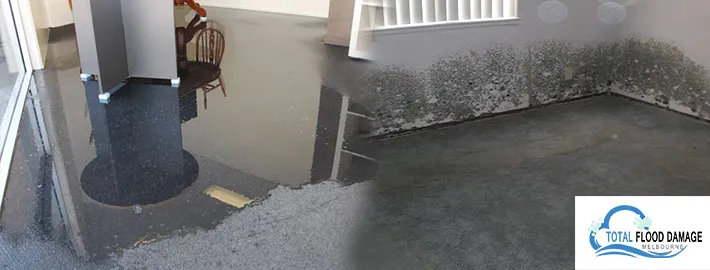
Ever come home to a soaked carpet after a pipe burst or a heavy rainstorm? If so, you are probably wondering whether it is safe to sleep in a room with a wet carpet. The short answer is: it depends on how wet it is, what caused the water, and how long it has been sitting. Here is what you need to know to make a safe decision for yourself and your family.
The Risks of Sleeping in a Room with Wet Carpet
When a carpet is saturated with water, it creates conditions that can affect your health in several ways. The risks increase with every hour the carpet remains wet.
Mould and Mildew Growth
Mould spores are present in every home, but they need moisture to grow. A wet carpet provides the perfect breeding ground. In Melbourne’s warm conditions, mould can begin colonising damp carpet fibre and underlay within 24 to 48 hours of water exposure. Once mould takes hold, it releases airborne spores that circulate through the room while you sleep.
Mould exposure can cause:
- Nasal congestion and sinus irritation
- Persistent coughing and wheezing
- Skin rashes and irritation
- Worsening of existing asthma symptoms
- Eye irritation and watery eyes
Children, elderly household members, and anyone with respiratory conditions or compromised immune systems are particularly vulnerable to mould-related health effects.
Bacterial Contamination
Stagnant water in carpet creates ideal conditions for bacteria to multiply. If the water source is grey water (from a dishwasher, washing machine, or bathroom overflow) or black water (from sewage or stormwater), the bacterial risk is significantly higher. Sleeping in a room with contaminated wet carpet exposes you to pathogens that can cause gastrointestinal illness, skin infections, and respiratory problems.
Dust Mite Proliferation
Dust mites thrive in humid environments. A wet carpet dramatically increases the humidity in a room, creating conditions where dust mite populations can explode. Dust mites are one of the most common triggers for allergic reactions and asthma attacks, particularly at night when you are breathing deeply during sleep.
Electrical Hazards
If the water has reached any electrical outlets, extension cords, or appliances in the room, there is a genuine risk of electrocution. Never sleep in a room where water is near electrical connections until a qualified electrician has confirmed it is safe.
When Is It Safe to Sleep in the Room?
Sleeping in a room with wet carpet is generally safe only if all of the following conditions are met:
- The wet area is small (a minor spill, not flooding)
- The water is clean (Category 1 — from a tap, pipe, or rainwater)
- You have already begun drying the area with fans or a dehumidifier
- No electrical outlets or cords are near the wet area
- You cannot smell mould or mustiness
- The carpet has been wet for less than 24 hours
If any of these conditions are not met, it is best to sleep in a different room until the carpet is fully dried and treated.
What to Do If Your Carpet Gets Wet
If you discover wet carpet in your home, take these steps immediately:
- Identify and stop the water source. Turn off the water mains if a pipe has burst, or address the leak before it causes further damage.
- Turn off electricity to the affected room at the switchboard if water is near any outlets or wiring.
- Remove as much water as possible. Use a wet-and-dry vacuum or blot with towels. Do not rub — this pushes water deeper into the fibres.
- Lift furniture off the carpet. Place aluminium foil or plastic sheeting under furniture legs to prevent staining and further water transfer.
- Improve airflow. Open windows and doors, and position fans to blow across the wet area. A dehumidifier will significantly speed up the drying process.
- Remove the underlay if possible. Carpet underlay absorbs up to ten times its weight in water and is often the hidden source of ongoing moisture and mould growth beneath a carpet that feels dry on the surface.
- Call a professional if the water covers a large area, has been sitting for more than 24 hours, or is from a contaminated source. Emergency wet carpet drying services in Melbourne can extract water, dry your carpet, and apply antimicrobial treatments to prevent mould growth.
How Long Does It Take for Wet Carpet to Cause Mould?
Under typical Melbourne conditions, mould can begin growing on wet carpet within 24 to 48 hours. The warmer and more humid the environment, the faster mould develops. Once mould has established itself in carpet fibres and underlay, it is extremely difficult to remove without professional treatment — and in many cases the carpet and underlay will need to be replaced entirely.
This is why speed is critical. The sooner you begin drying, the greater the chance of saving your carpet and avoiding costly mould remediation. For more information, read our guide on how to prevent mould after water damage.
Professional Help for Wet Carpet in Melbourne
If your home has been hit by severe weather, a burst pipe, or any kind of flooding, do not take chances with your health or your carpet. Total Flood Damage Melbourne provides 24/7 emergency carpet water damage restoration across Melbourne and all of Victoria. Our IICRC-certified technicians arrive with industrial extraction and drying equipment to get your carpet dried and your home safe as quickly as possible.
Call us on 0448 888 165 for an immediate response — day or night, weekends and public holidays included.
Frequently Asked Questions
How long can wet carpet stay before it needs replacing? If professional drying begins within 48 hours and the water is Category 1 (clean), most carpets can be saved. After 72 hours of sustained moisture, the risk of irreversible mould growth and structural damage increases significantly, and replacement becomes more likely.
Can I use a hairdryer to dry wet carpet? No. A hairdryer does not have enough power to dry carpet effectively and the concentrated heat can damage carpet fibres and melt the adhesive holding them together. Use fans and dehumidifiers instead, or call a professional with industrial drying equipment.
Is the smell from wet carpet dangerous? A musty smell indicates mould or bacterial growth, which can cause respiratory issues. If your carpet smells musty after drying, hidden moisture likely remains in the underlay or subfloor and professional treatment is recommended.