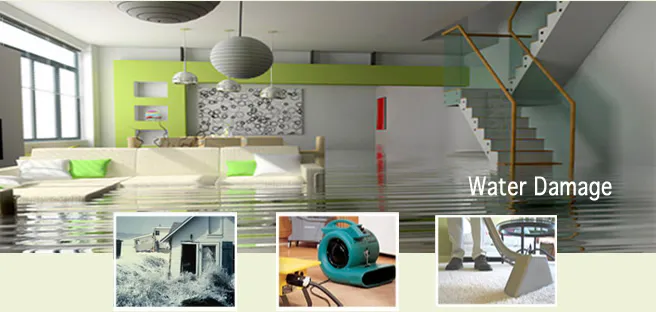
Coming home to a flooded house - or watching water rise during a storm - is one of the most stressful experiences a homeowner can face. In that moment, it is hard to think clearly about what to do first. This guide gives you a clear, step-by-step plan to follow after your Melbourne home floods, covering immediate safety priorities, damage control, documentation for insurance, and when to call professional help.
Immediate Safety First
Before you do anything else, assess whether it is safe to enter your property.
Do not enter if:
- Water is still rising or flowing into the property
- You can see or smell electrical sparking
- The building structure appears compromised (sagging ceiling, bulging walls, shifted foundations)
- The floodwater is from an external source (stormwater, sewage) and is above ankle depth
If safe to enter:
- Turn off the electricity at the main circuit breaker before stepping into any water
- Turn off the gas supply at the meter
- Wear enclosed shoes (preferably rubber boots) and gloves - floodwater often contains contaminants, bacteria, and sharp debris
- Open windows and doors to begin ventilation
If the flooding is from a burst pipe or appliance, turn off the main water supply immediately to stop the flow.
Document Everything Before Cleanup
This step is critical for your insurance claim and is the one most people skip in their urgency to start cleaning up. Before you move, remove, or clean anything:
- Take photographs and video of every affected room from multiple angles
- Capture close-ups of damaged items, water lines on walls, and saturated materials
- Record the date, time, and how the flooding occurred
- Note serial numbers and approximate values of damaged electronics and appliances
- Keep damaged items until your insurer confirms they can be disposed of
Our insurance claim guide explains exactly what documentation your insurer will need and how we help compile the evidence package.
Remove Valuables and Start Damage Control
Once you have documented the damage, begin protecting what you can save:
- Move furniture, electronics, and personal items to dry areas
- Lift items off wet carpet onto blocks, plastic sheeting, or aluminium foil
- Remove wet rugs and hang them to dry outside if weather permits
- Open cupboards and wardrobe doors to promote airflow
- Mop up standing water if safe - but do not use a standard vacuum on water
Do not use heaters or hair dryers to accelerate drying. Heat promotes mould growth in damp conditions. Professional carpet flood damage restoration uses industrial air movers and dehumidifiers designed to remove moisture without creating conditions for mould.
Call a Professional Restoration Team
For any flooding beyond a small, contained spill, professional extraction and drying is essential. Household equipment cannot remove moisture from carpet underlay, wall cavities, subfloors, and timber framing - and these hidden moisture pockets are where mould begins growing within 24 to 48 hours.
Contact Total Flood Damage Melbourne on 0448 888 165 for immediate 24/7 emergency response. Our IICRC-certified technicians respond within two hours across Melbourne with truck-mounted extraction units, industrial dehumidifiers, and professional moisture detection equipment. We service all of Victoria, from inner Melbourne to regional areas.
Contact Your Insurance Company
Notify your insurer within 24 hours of the flood. Most home insurance policies cover sudden and accidental water damage from internal sources (burst pipes, appliance failures, roof leaks during storms). External flooding from rising waterways may require specific flood cover - check your product disclosure statement.
Your insurer will assign a claim number and an assessor. We can be present during the assessment to provide technical context, share moisture readings, and explain the scope of restoration required. This professional support helps ensure the claim reflects the true extent of the damage.
Understanding the Restoration Process
Professional water damage restoration follows a proven sequence:
- Emergency response and assessment - our technician inspects the property, identifies the water source and category, and maps the extent of the damage using moisture meters and thermal imaging
- Water extraction - truck-mounted and portable extraction units remove all standing and absorbed water
- Structural drying - industrial dehumidifiers and air movers are positioned to draw moisture from building materials, monitored daily until the property reaches its dry standard
- Cleaning and sanitisation - antimicrobial treatments prevent mould growth and eliminate bacteria, particularly important after Category 2 or 3 water events
- Restoration and repair - damaged materials are repaired or replaced, from re-laying carpet to replacing plasterboard and repainting
The entire process typically takes one to five days for residential properties, depending on the severity.
The 48-Hour Mould Window
The most important thing to understand after a flood is the 48-hour mould window. Mould spores are always present in the air, but they need moisture and warmth to colonise. In Melbourne’s climate, mould can begin growing on wet building materials within 24 to 48 hours of a flood event.
Once mould takes hold, the restoration becomes significantly more complex and expensive. Materials that could have been dried and saved may need to be removed and replaced. This is why speed matters - professional extraction and drying within the first 24 hours prevents mould from establishing in your property.
What Not to Do After a Flood
- Do not ignore “minor” flooding - water that appears to be only surface-level has almost certainly penetrated into underlay, subfloor, and wall cavities
- Do not turn on the HVAC system - this can spread contaminated moisture through your ductwork to unaffected areas
- Do not lift wet carpet yourself - pulling up carpet without proper extraction can damage the carpet further and release trapped water into the subfloor
- Do not use bleach on mould - bleach kills surface mould but does not address the root cause (moisture), and it can damage building materials. Professional antimicrobial treatments are far more effective
- Do not delay - every hour of delay increases damage, cost, and health risk
Get Help Now
If your Melbourne home has flooded, do not wait. Call Total Flood Damage Melbourne on 0448 888 165 for 24/7 emergency response. Our team will extract the water, dry your property, and support you through the insurance process from start to finish. You can also request a free assessment online or read what our clients say about our service on our testimonials page.