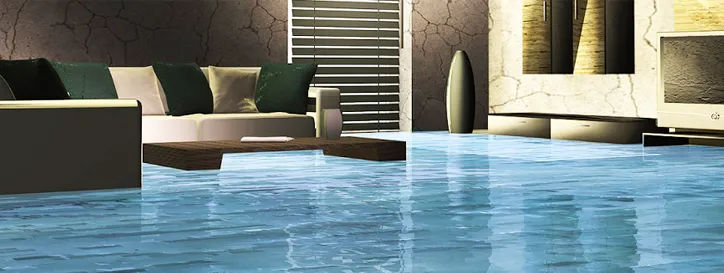
A burst pipe is one of the most common - and most damaging - water emergencies Melbourne homeowners face. A single burst supply line can release hundreds of litres per hour, flooding rooms, saturating carpets, and soaking into wall cavities and subfloors before you even realise what has happened. Knowing exactly what to do in the first few minutes can mean the difference between a manageable cleanup and tens of thousands of dollars in structural damage.
This guide covers the immediate steps you should take, what to avoid, and when to call a professional restoration team.
Step 1: Turn Off the Water Supply
Your first priority is stopping the flow. Locate your main water shut-off valve - in most Melbourne homes, it is near the front boundary of your property, usually in a small pit or box at ground level near the water meter. Turn the valve clockwise until it is fully closed. If you cannot find the main valve, turn off the isolation valve closest to the burst pipe (under sinks, behind toilets, or on the hot water system).
Every minute the water continues to flow increases the damage exponentially. If you are unsure where your shut-off valve is, find it now before an emergency happens.
Step 2: Turn Off the Electricity in Affected Areas
Water and electricity are a dangerous combination. If water has reached electrical outlets, appliances, or is pooling near your switchboard, turn off the power at the main circuit breaker. Do not touch any electrical switches or outlets if you are standing in water. If you cannot safely access your switchboard, call your electricity provider’s emergency line or 000.
Step 3: Document the Damage Immediately
Before you start cleaning up, take photographs and video of everything. Capture wide shots of each affected room and close-ups of damaged items, walls, floors, and ceilings. This documentation is essential for your insurance claim and cannot be recreated once cleanup begins.
Record the date and time, where the burst occurred, and how you discovered it. Note any items that were damaged and their approximate value.
Step 4: Remove Valuables from Affected Areas
Move furniture, electronics, documents, and personal items away from the water. Place aluminium foil or plastic sheeting under furniture legs that cannot be moved to prevent staining on wet carpet. Lift curtains off the floor and remove rugs from affected areas.
Focus on items that are irreplaceable first - photo albums, important documents, and electronics. Furniture can often be restored, but water-damaged electronics and paper items deteriorate rapidly.
Step 5: Start Removing Standing Water
If it is safe to do so, begin removing standing water using towels, mops, or a wet-dry vacuum. Open windows and doors to increase ventilation - airflow helps slow the absorption of water into building materials. Do not use a standard household vacuum on water, as this creates an electrocution risk.
For anything beyond a small puddle, professional extraction equipment is far more effective. Our truck-mounted extraction units remove water orders of magnitude faster than household methods.
Step 6: Call a Professional Restoration Company
Contact Total Flood Damage Melbourne on 0448 888 165 for immediate assistance. Our emergency team responds within two hours across Melbourne and carries all the equipment needed to begin extraction and drying on arrival. We operate 24/7, including weekends and public holidays.
Professional intervention within the first 24 hours dramatically reduces the risk of secondary damage such as mould growth, timber warping, and plasterboard deterioration. The longer water sits in your property, the more expensive and complex the restoration becomes.
Step 7: Contact Your Insurance Company
Notify your insurer within 24 hours of the burst. Have your policy number ready and provide a clear description of what happened. Most home insurance policies cover sudden pipe bursts - our insurance claim guide explains the full process and what documentation you will need.
We work with all major Australian insurers and can provide the photographic evidence, moisture readings, and damage reports your insurer requires to process your claim.
Step 8: Do Not Attempt to Dry Carpet with Heat
A common mistake is using heaters, hair dryers, or heat guns to try to dry wet carpet. Heat actually accelerates mould growth in damp conditions and can cause carpet backing to delaminate. Professional carpet flood damage restoration uses industrial air movers and dehumidifiers that remove moisture without applying heat.
What Causes Pipes to Burst in Melbourne?
Understanding common causes can help you prevent future incidents:
- Age and corrosion - older copper and galvanised steel pipes corrode internally over time, weakening pipe walls until they fail
- Cold weather - while Melbourne rarely freezes, cold snaps can cause pipes in uninsulated areas (subfloors, external walls) to contract and crack
- High water pressure - pressure above 500 kPa stresses joints and fittings, causing gradual failure
- Tree root intrusion - tree roots seek out moisture and can crush or penetrate underground pipes
- Poor installation - improperly soldered joints, inadequate support brackets, and incorrect pipe sizing all increase burst risk
When to Call a Professional vs DIY
Small drips from a fitting can often be managed with a towel and a call to your plumber. But if water has reached your carpet, soaked into walls, or spread across multiple rooms, professional extraction and drying is essential. Water absorbed into carpet underlay, timber framing, and plasterboard cannot be effectively removed with household equipment, and these materials will develop mould within 24 to 48 hours if not properly dried.
Our emergency wet carpet drying service uses moisture meters, thermal imaging, and industrial drying equipment to ensure your property is thoroughly dried to prevent long-term damage.
Act Fast - Call Us Now
A burst pipe will not wait, and neither should you. The faster you act, the more of your property and belongings we can save. Call Total Flood Damage Melbourne on 0448 888 165 for 24/7 emergency response across Melbourne and all of Victoria, or request a free assessment online.